

Hey everyone! I didn’t expect to take this long to post. Things happened and I didn’t manage time as well I hoped to. Writing weekly posts is a tough job to maintain with, well, another job. I noticed that there isn't much time to study on my daily routine (or fixed time for that, to be exact). The only things I did manage to maintain were yoga and meditation. The stretching of body and mind.
I thought that by writing these logs I would simply "find time" - but it isn't that simple. How can I find time to do what I WANT besides what I HAVE to do? For years I've been asking myself the same questions and trying to find ways to get the answers. How does one keep focused? Create a habit? Let bad habits go? How can I make unpleasant or boring tasks quicker? How can I improve my memory?
There is one thing that becomes clear to me when thinking about that, and that is the creation of habits is essential. There is no regularity without habit. It was with yoga and meditation that I noticed the importance of regularity. But habit is not the only element in this equation. There is also discipline and routine. Discipline, routine, and habit - I've been writing about these three concepts for a couple of years and I intend to publish something about it here or on video, when the ideas, words, and presentation start to feel aligned.
In 2016, I wrote my college essay Interval, which is partly based on Henri Bergson’s theories of perception from Matter and Memory (1896) mixed together with concepts and ideas about Zen, cinematographic montage, and the association between culture, quotidian and perception. Now, re-reading this book after 8 years, I'm back to a feeling of admiration for this guy, who wrote it 128 years ago, and has such an apparent sense of ease to reflect about matters of perception in both empirical and spiritual manners. He was a mathematician and a philosopher, which gives more context to his way of thinking about things.
During this recent time I spent without posting, I saw a video that talks about ambition and satisfaction. It compares The Bear (2022) to Perfect Days (2023). I highly recommend you watch both if you haven't already.
In one side there is Carmy (the Bear) - an obsessive and perfectionist chef, passionate about his craft. Passionate to the point of overdoing it. Always striving for something slightly out of his reach.


On the other side, there is Hirayama, a middle aged man who works as a toilet cleaner, living simple routine. Waking up, taking care of plants, working, having a break, drinking a glass of alcohol, listening to music, reading a book, sleeping, dreaming. Rinse and repeat.


It's relevant to think about how the format can influence our perception of the characters. Both are edited in a way for us to notice the evolution of characters through repetition.
When we think about hours watched, The Bear has 28 episodes with 34 minutes each. That's 15.8 hours. We have time to follow the development of Carmy and other main characters of the series. That's way more time to contextualize. We can see their daily struggles, relationships, desires and worries. We can also see that their moments of satisfaction and presence exist, even though they are not the focus.
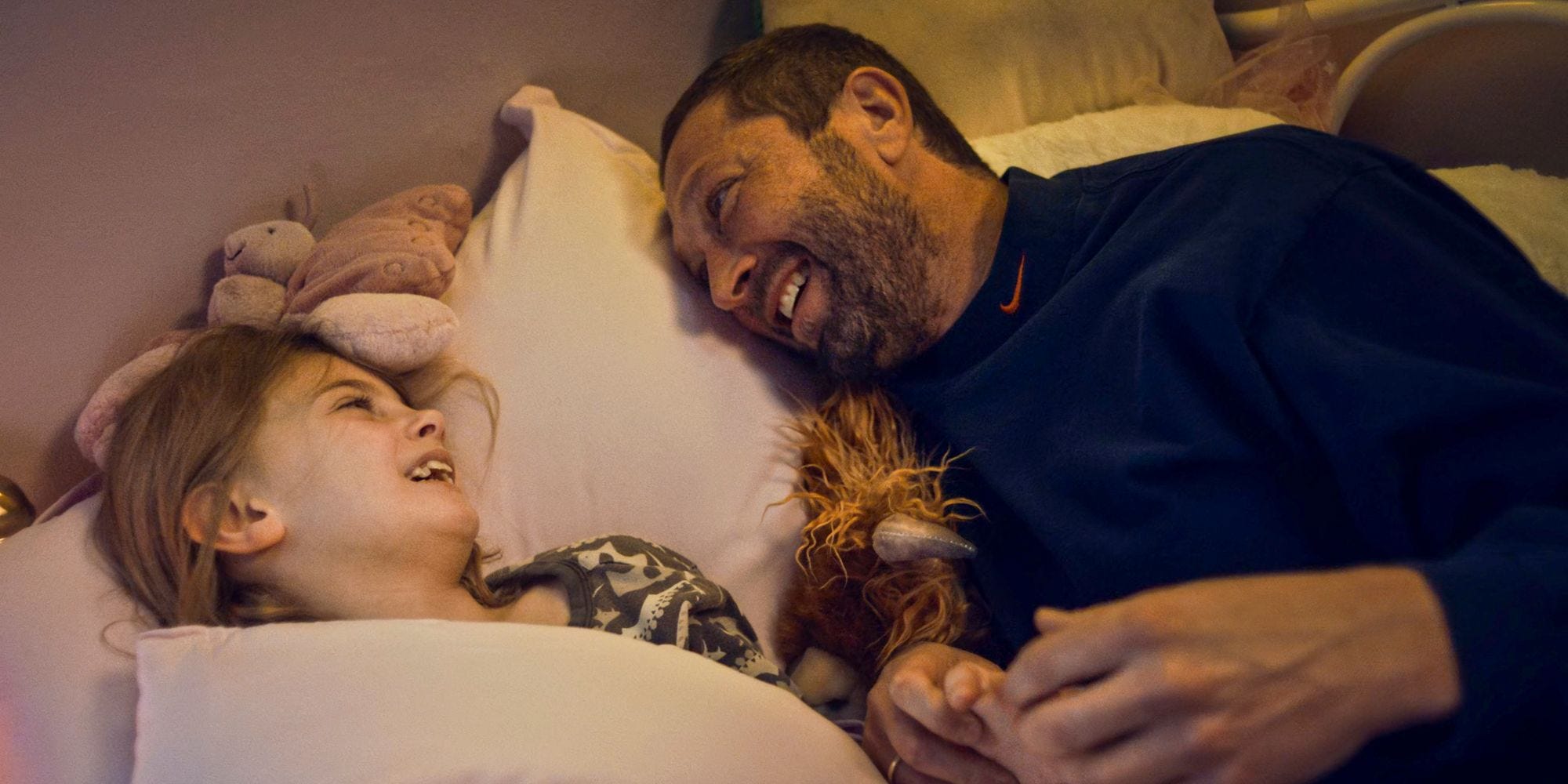
Perfect Days has 2 hours and 04 minutes. It focuses on one character, Hirayama, and his daily routine. We are at all times watching the present moment on which the character lives in. Even though Hirayama is mostly serene, his moments of suffering and loss also appear throughout the movie. The moment his sister asks if he’s going to visit his father on his deathbed is one of those.
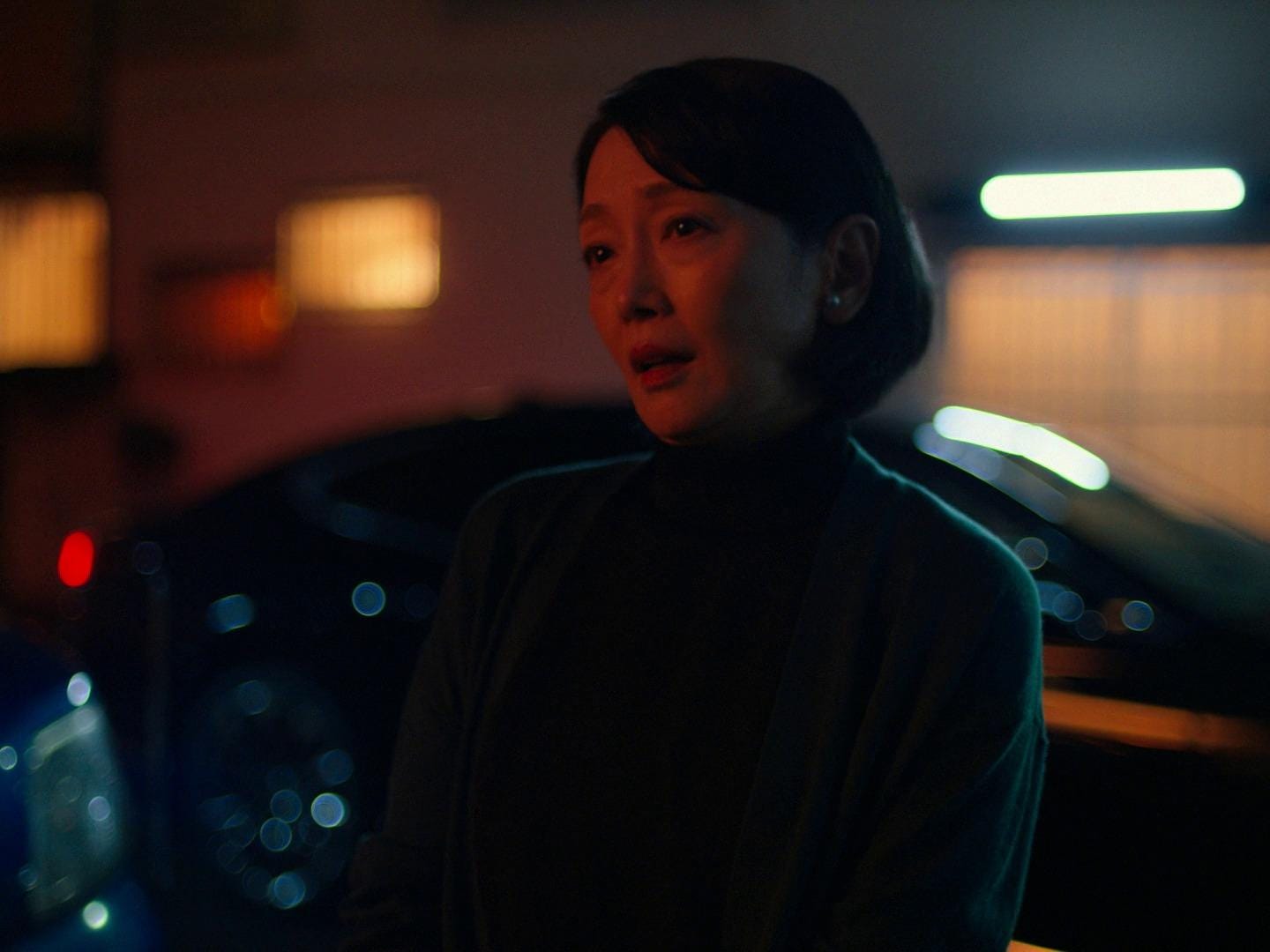
Representation in cinema, to me, is about identifying oneself with a character in a foundational level. Hirayama’s character seems to me like a blank canvas on which we can project our own routines. I suppose that can happen as long as the characters are well developed. Those characters feel real. The questions they face are contemporary not only from a cultural point of view, but they also possess a human nature. This might be the main reason these productions are successful.
Marshall Rosenberg, the creator of NVC, outlined a list of Universal Needs that we as humans wish to fulfill in order to feel satisfied. They are: Warm Community, Rest, Empathy, Meaning/Purpose, Creativity, Love, Autonomy, Sustenance (shelter, water, food, air) and Safety/Protection.
These are the needs that end up floating above our daily lives, guiding our future worries and feelings of loss. Those are the elements that Carmy, Hirayama, myself, and possibly many of us are juggling on our daily lives.
We are the ones who know the order we choose to satisfy one of those needs. I tend to think that most of us are constantly worried about sustenance, which is directly connected to our biological survival.
One episode of The Bear comes to mind - S3E6, "Napkins", on which Tina's background is presented to us. It shows her struggle to find a job as a means of sustenance, but also as a means of routine. She enjoys the routine. She tells that to her husband. She is clearly unable to recognize how much she actually contributes to her family's wellbeing, which is unfortunate but also feels quite real.
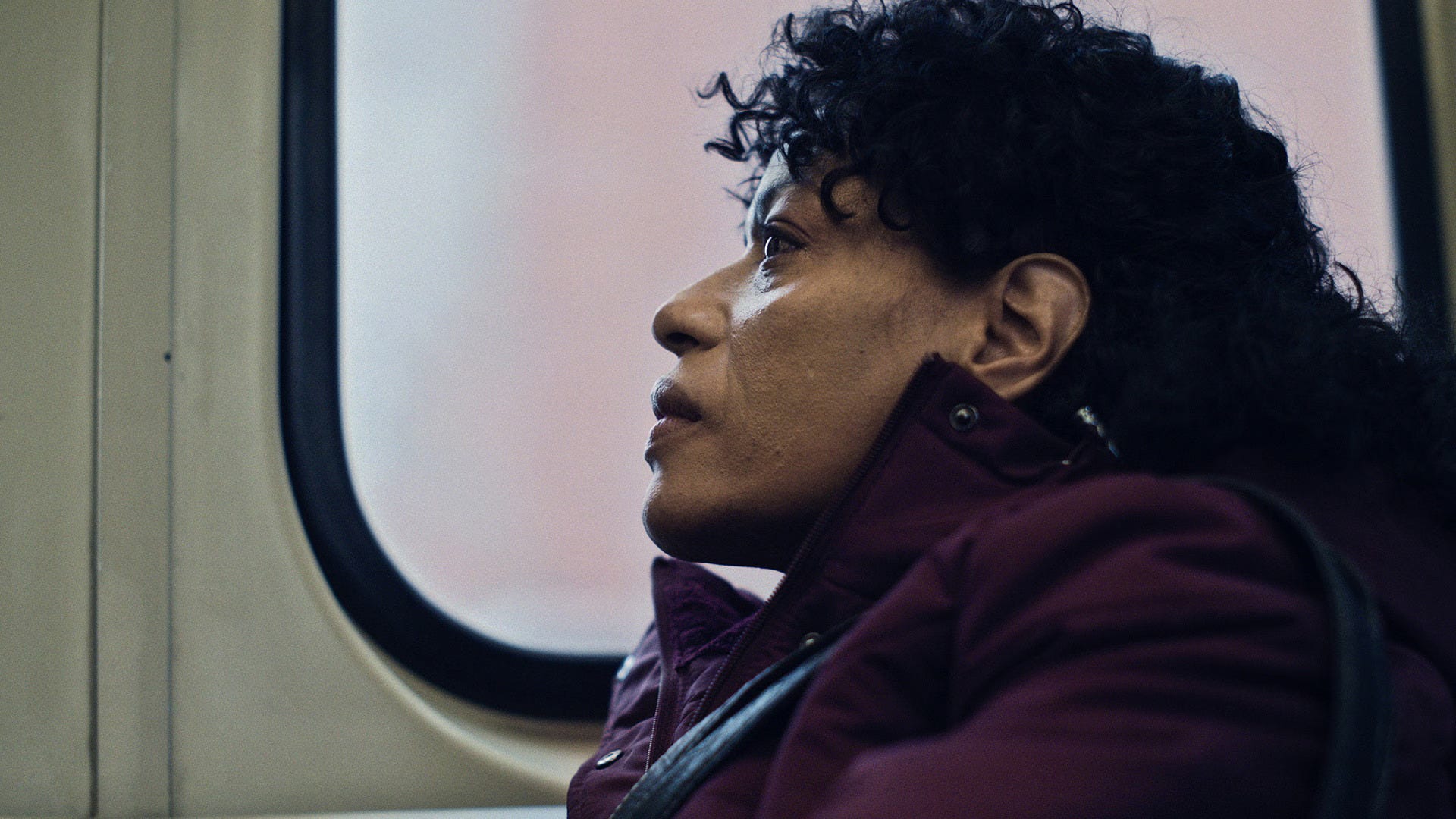
When we consider present Tina, she's portrayed in a heartwarming way - much like Hirayama - where we can watch her develop creative and cooking skills, satisfying not only her sustenance needs, but also autonomy and purpose.
Physical and emotional stress can lead us to breaking points that make it look like balance is something unachievable. It obstructs the perception that life is cyclical. I bet many of us can relate to the feeling of "this is too good to be true — it won't last".
By seeing this side of Tina's character, we can look back to Hirayama and Carmy, and wonder that they might as well be at some point of their own cycle of falling and picking themselves up. Think of yourself in the last 10 to 20 years. How much did you change? How much did the people you know change? Did your desires and ambitions change? What did you have to accept despite wanting it or not?
One of the things I learned in life is that stability is kind of an illusion. The closest thing we have to stability seems to be directly connected to our organizational efforts. Yeah, it's pretty nice to aspire being the person who is calm and contemplative. But how hard is it to be that person and to stay in this state of mind? Who's thinking about contemplation when life kicks you in the stomach, or when the feelings of loss are overwhelming?
I might have already told some of you that my father passed away some months ago and that I had a car accident that left my car totaled. And I can tell you - I wanted the world to stop moving so I could grieve, and it didn't. And it won't. The sad truth is that the world won't stop because of your individual suffering, and you got to have the tools to pick yourself up, because otherwise you'll end up depressed and bitter, left behind by your own self. And believe me when I say I don’t wish this feeling to anyone.
Looking back to Perfect Days and its ending, I find it to be quite beautiful because even though Hirayama is crying, we can wonder he will be alright. I like to think that his organized routine will help him maintain his peace of mind.
To pay attention to our actions and act with intention seems to me like the right way to go, because if you “regard perception as a kind of contemplation, attribute to it always a purely speculative end, and maintain that it seeks some strange disinterested knowledge, as though, by isolating it from action, and thus severing its links with the real, [you end up] (…) rendering it both inexplicable and useless.”1
So, even though I didn't get to some of the previous action points in the way I expected, I've been thinking and writing about how to find this balance mentioned above in daily life - trying to be objective about desires, needs and obligations. Hopefully I can share more about that soon, when it makes more sense to someone other than myself.
The point of writing this whole thing up is to try to emphasize the idea that ambition isn’t a bad thing, specially when you tend to be depressed. Greed, envy and selfishness are bad, and those seems to be mixed up with the definition of ambition often.
Previous Action Points
Reel
My 3D reel! I have a first pass that I can already show you. It’s a bit long but that’s because I wanted to show my layout, supervision and generalist skills. I’ll probably edit more later.
Character Animation
I also worked a little bit on this scene until Maya crashed (sigh). This took me around 2 hours:
If you watched the whole video you can see I’m having problems with Blair’s rig. I think it might be compatibility with Maya’s 2023 version. Anyone ever had that problem? Please tell me in the comments section if you have a suggestion to fix that. Otherwise I might go back and animate her in a previous version.
OpenUSD
Exciting things are goin on in both study/working groups! On Nvidia’s SG, new tutorials about learning OpenUSD are coming. On ASWF Assets Working Group, there is a specific discussion going on about Asset and Folder structures that interests me very much because of Naim. Lots of admiration and respect for the people leading this!
Action points
continue building up this animation, add more poses/blocking on the kitten.
Naim: I’ll update the premiere preview file with approved animated scenes. I have to continue the asset mapping but I admit I’m confused on how to do it. I’m putting it all on a spreadsheet. If you have suggestions, please reach out and leave them in the comments section or send me a message!
OpenUSD and Python studies
You’re welcome to join the OpenUSD Study Group every Tuesday at Nvidia Omniverse Discord Server.
You can also accompany ASWF Working Group(s) meetings and discussions by having a look at their page and calendar.
Please share your thoughts and opinions at the comments section or the chat! :D
Thank you for reading!
Berson, Henri - Matter and Memory (Zone, 1991, pg.68)